Design Director • Hands-On Leader
I thrive on turning system complexity into user clarity
I lead design teams and work hands-on to ship AI-powered SaaS products people actually trust. I bridge product, engineering, and AI to transform complex workflows into experiences that feel simple and powerful.

How I Lead Design
I don't just design interfaces—I build design systems, transform processes, and bridge the gap between design, engineering, and business strategy.
Strategic
- Design vision & product direction
- AI integration strategy
- Cross-functional alignment
- Success metrics & business outcomes
Example:
Developed standardized AI integration patterns for Sendlane, increasing first-time user engagement. Partnered with VP of Product, CTO, and 4 product managers to align product strategy across 20+ product areas.
Operational
- Design systems (20+ product areas)
- Process optimization (sprints, ticketing, UAT)
- Quality assurance & post-launch polish
- Tool consolidation & workflow efficiency
Example:
Built Sendlane's design system supporting 20+ product areas—reduced design time 75%. Established 2-week sprints, design task ticketing system, and UAT reviews for post-launch polish that improved planning accuracy and quality.
Craft
- Workflow simplification (6 steps → 1)
- Hands-on interaction design
- Component architecture & prototyping
- High-fidelity design execution
Example:
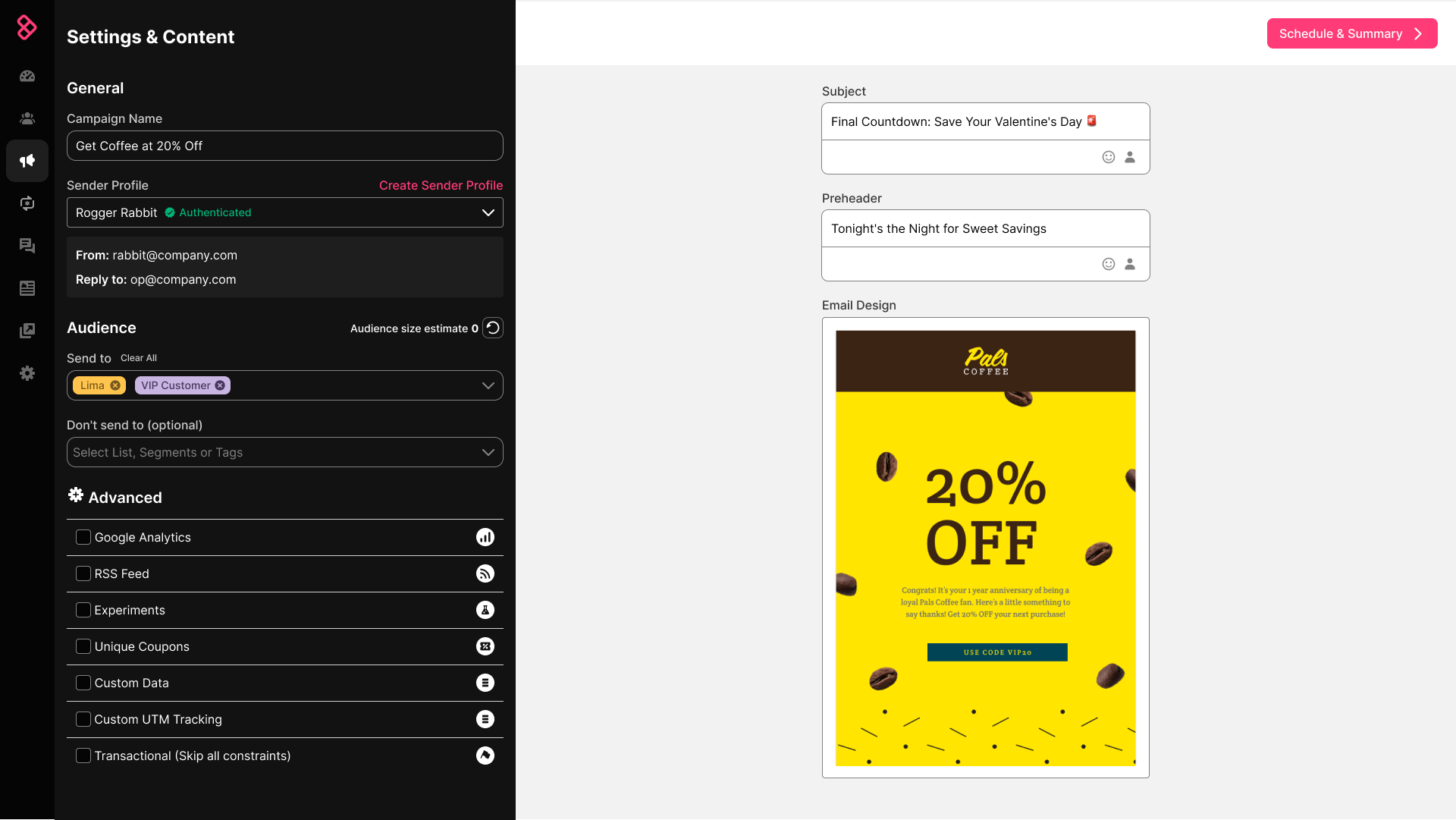
Personally redesigned Campaign Builder from 8 steps to 1, cutting creation time 60%. Stayed hands-on designing Automation, SMS, Form, and Email builders—not just directing, but crafting modern interactions, reusable blocks, and simplified step logic myself.
People
- Team leadership (3 designers + 1 engineer)
- Stayed IC while leading (hands-on design)
- Cross-functional collaboration (15+ stakeholders)
- Mentorship through doing, not just directing
Example:
Led team of 3 designers and 1 front-end engineer while staying hands-on with design work—mentored by doing, not just managing. Collaborated with 4 PMs, VP Product, CTO, and 11 engineers. Advanced from Senior Front-End Developer to Director of Design, never losing touch with craft.
My Work
A closer look at the design challenges, decisions, and outcomes behind each project.
What I Walked Into
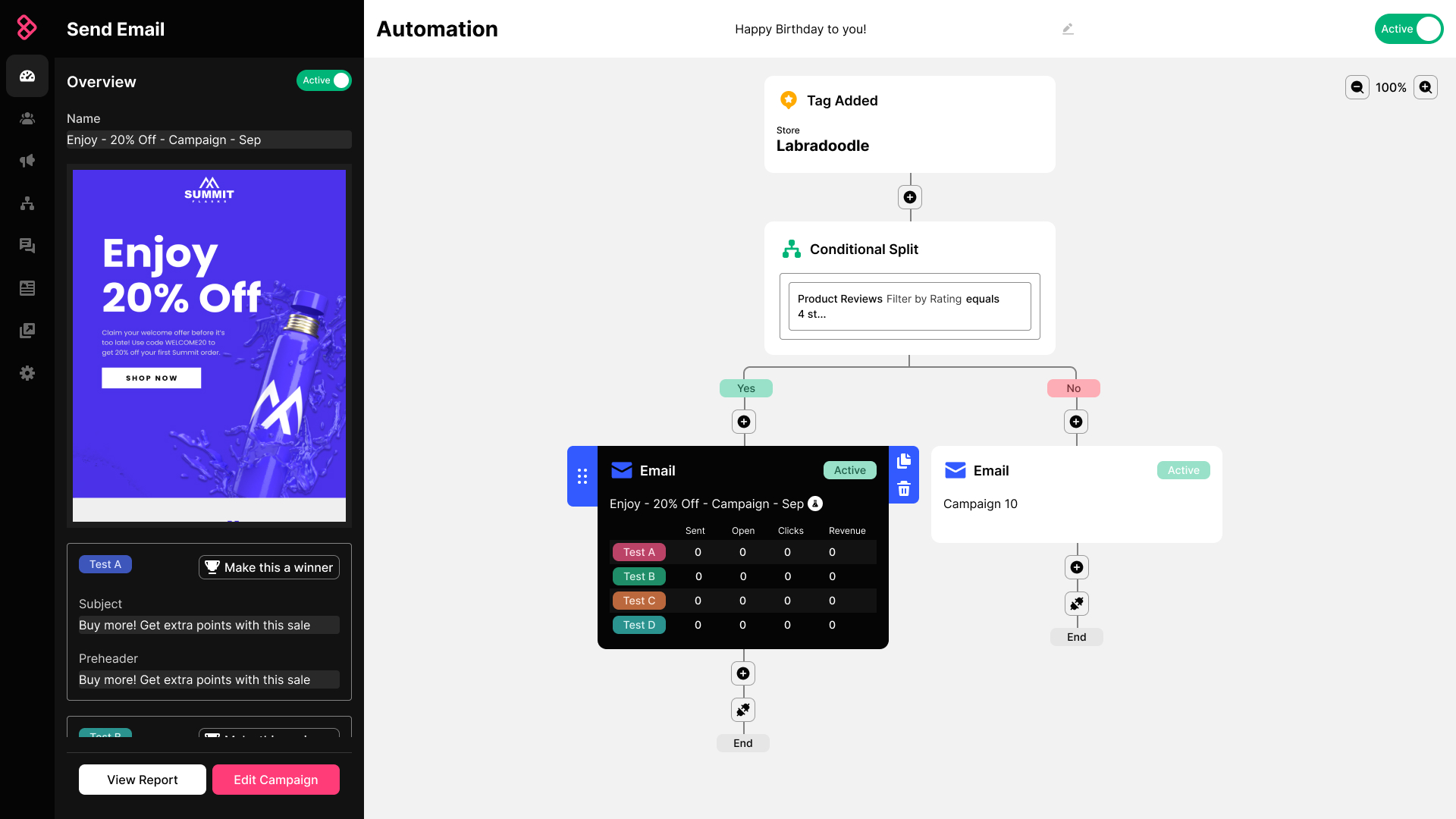
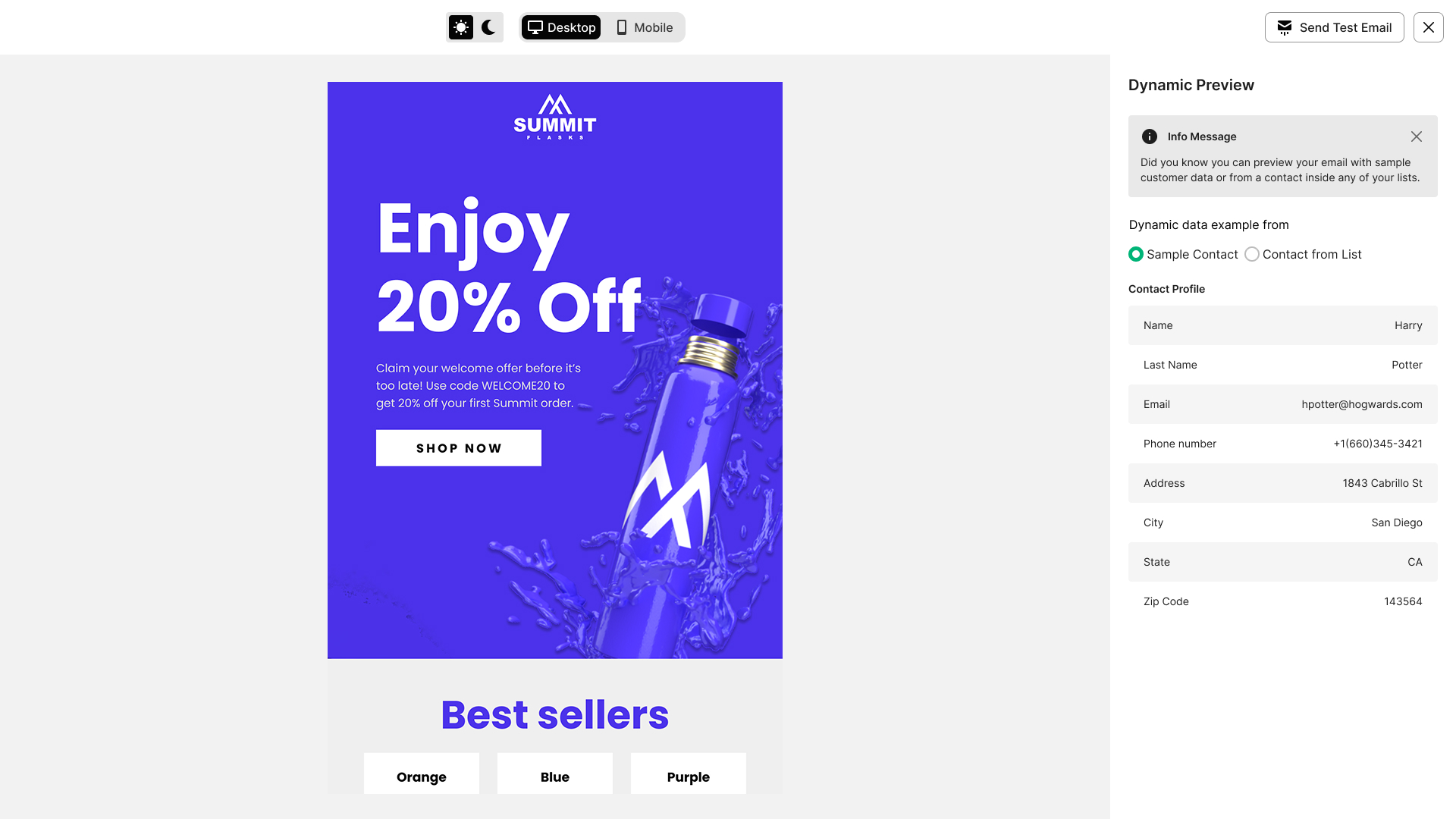
When I joined Sendlane as Director of UX/UI, the platform had grown fast—but design hadn't kept pace. There were no brand guidelines for the web app, each builder (email, SMS, forms, automations) had its own look and feel, and the engineering team had no clear design rules to follow. Users could tell they were in the same product, but the experience felt fragmented.
The Journey
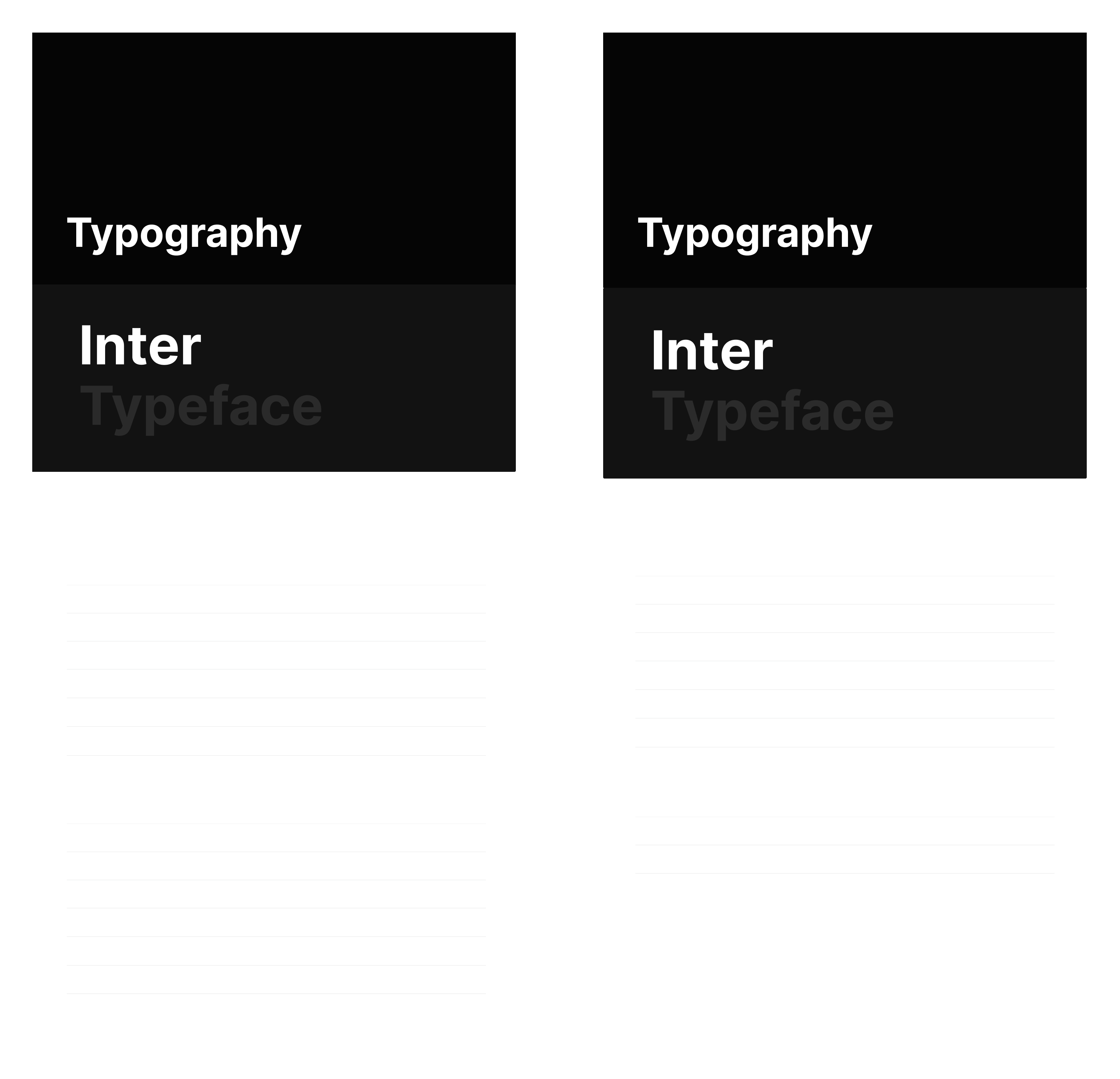
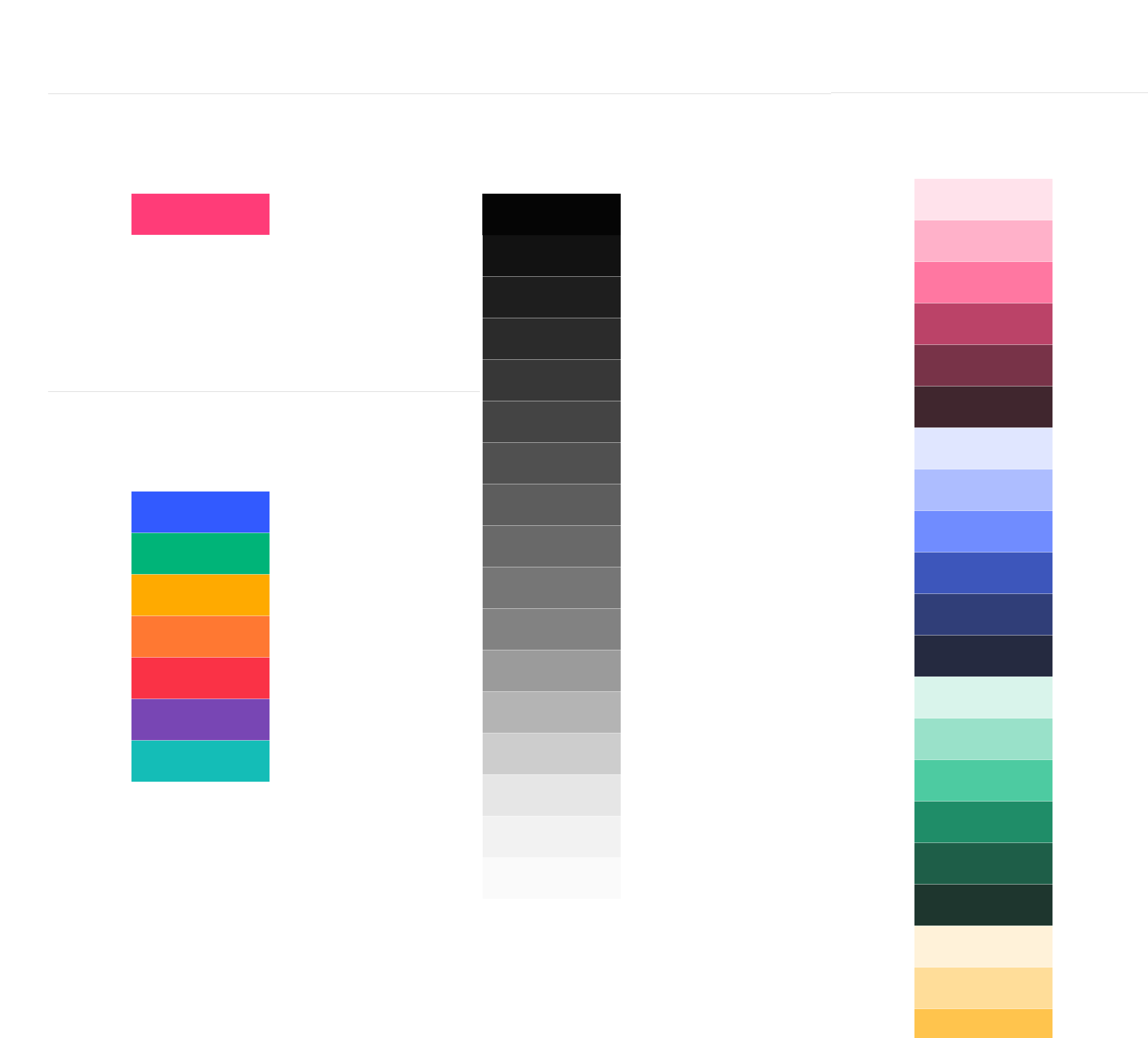
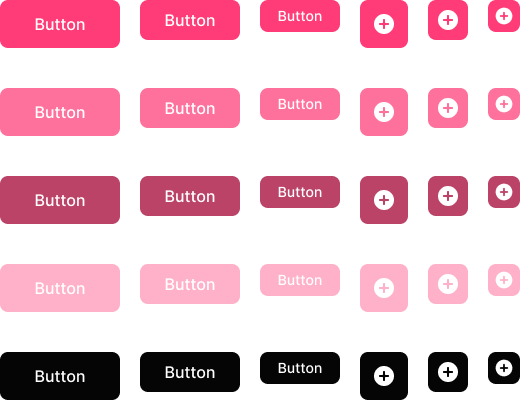
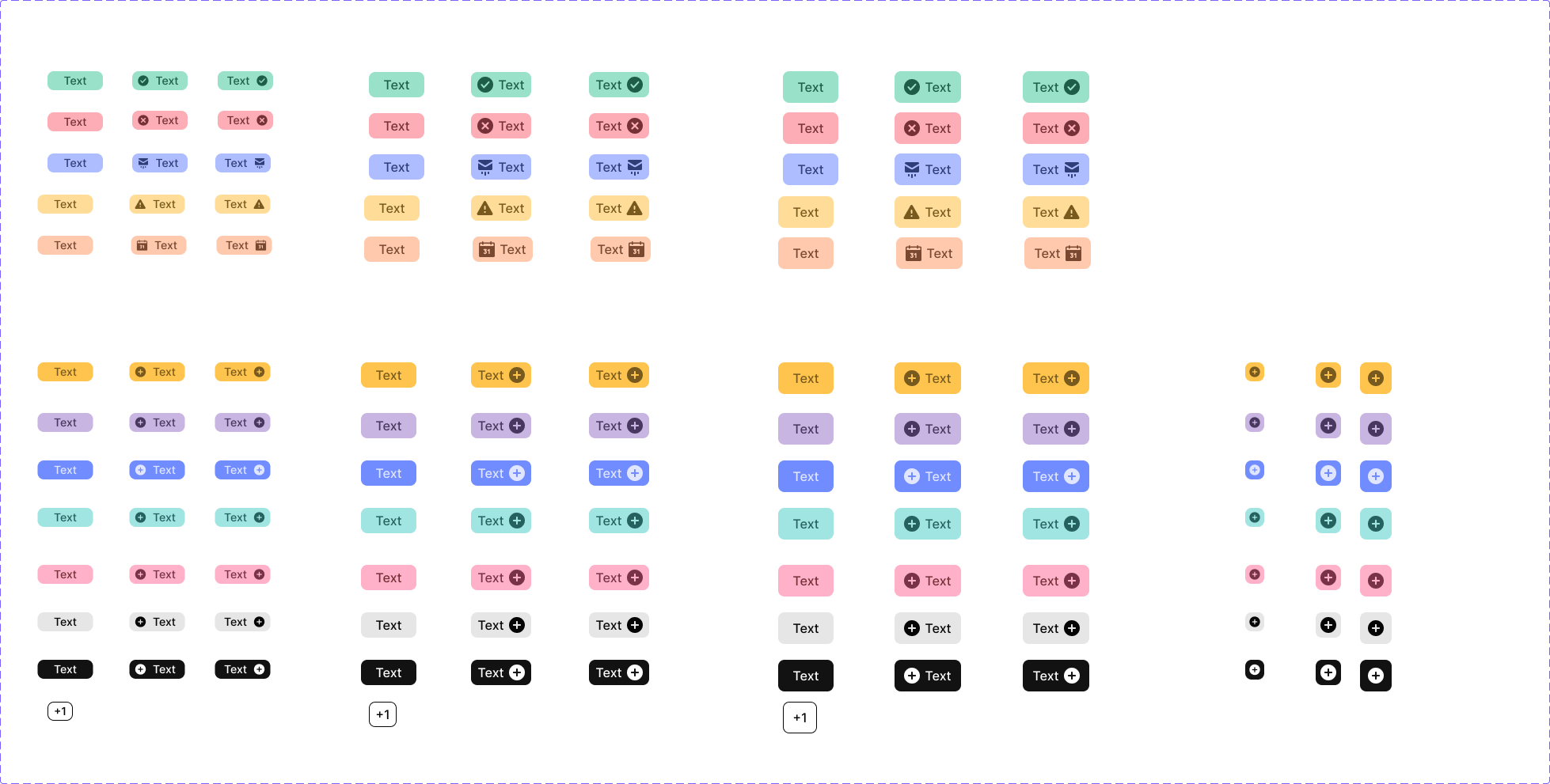
No Design System. Engineers Flying Blind.
No brand guidelines. Engineers made visual decisions on the fly, creating inconsistency everywhere.
Introduced a design system and interactive prototypes—bridging design-to-dev gaps and speeding up delivery.
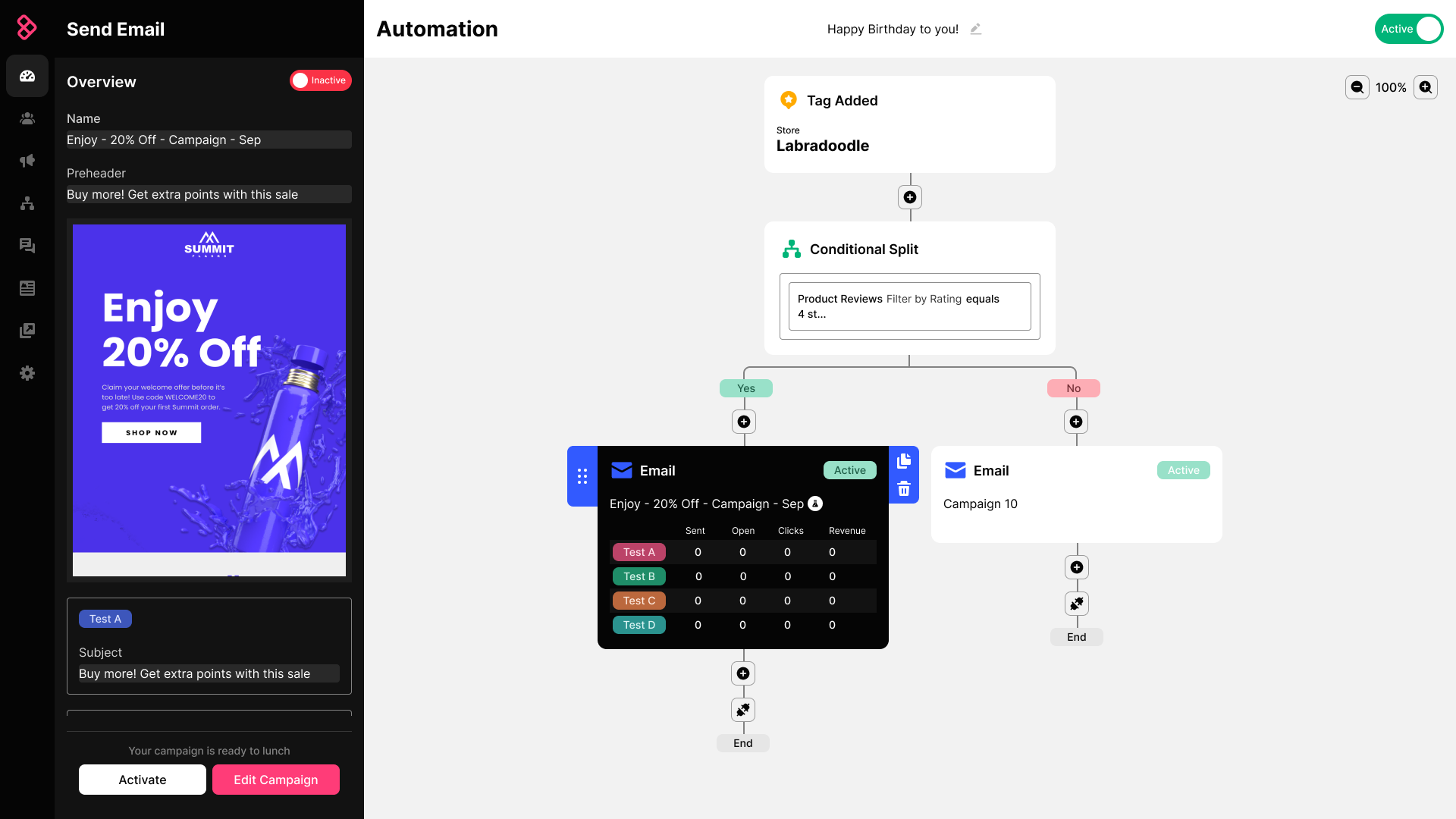
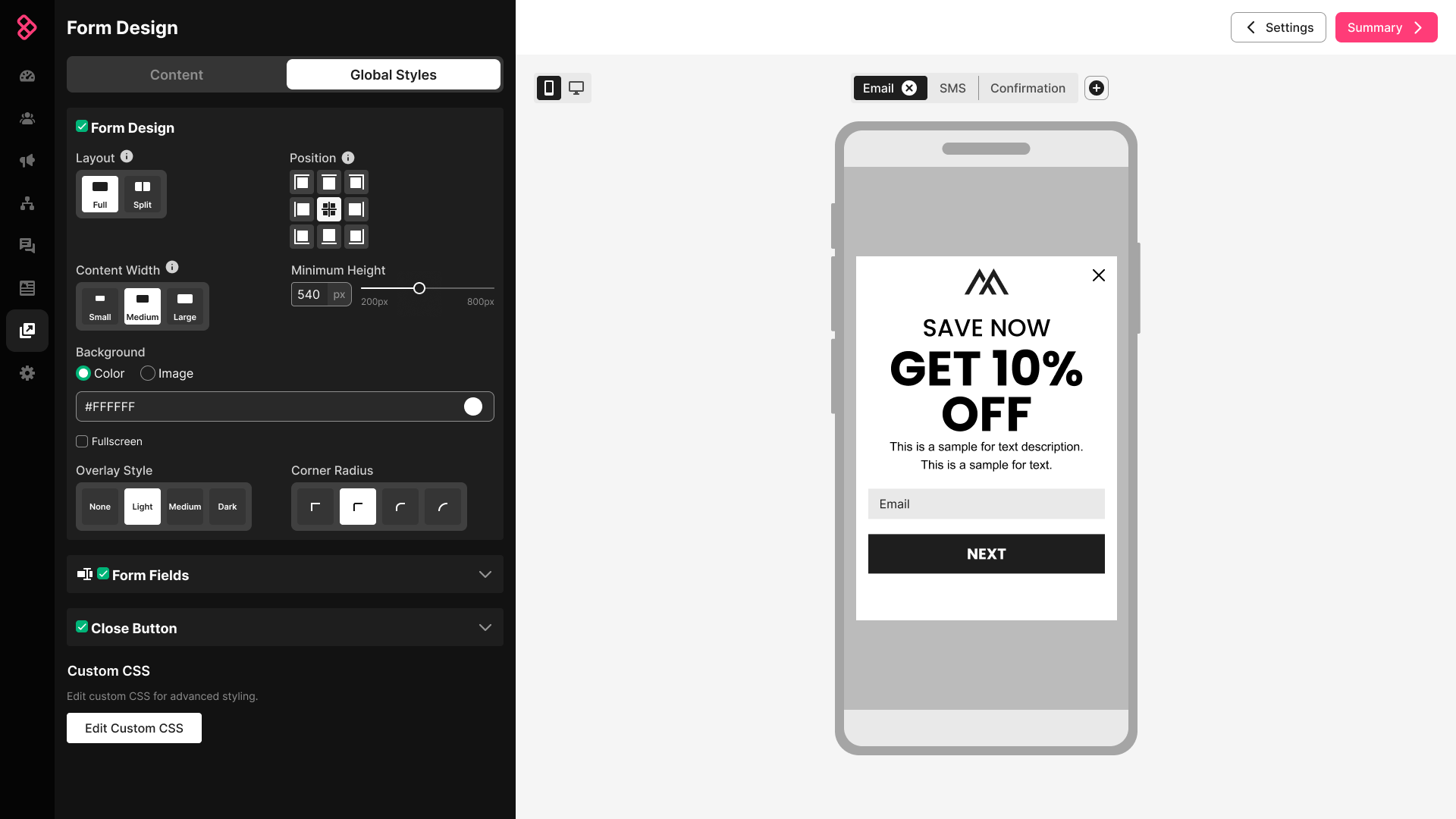
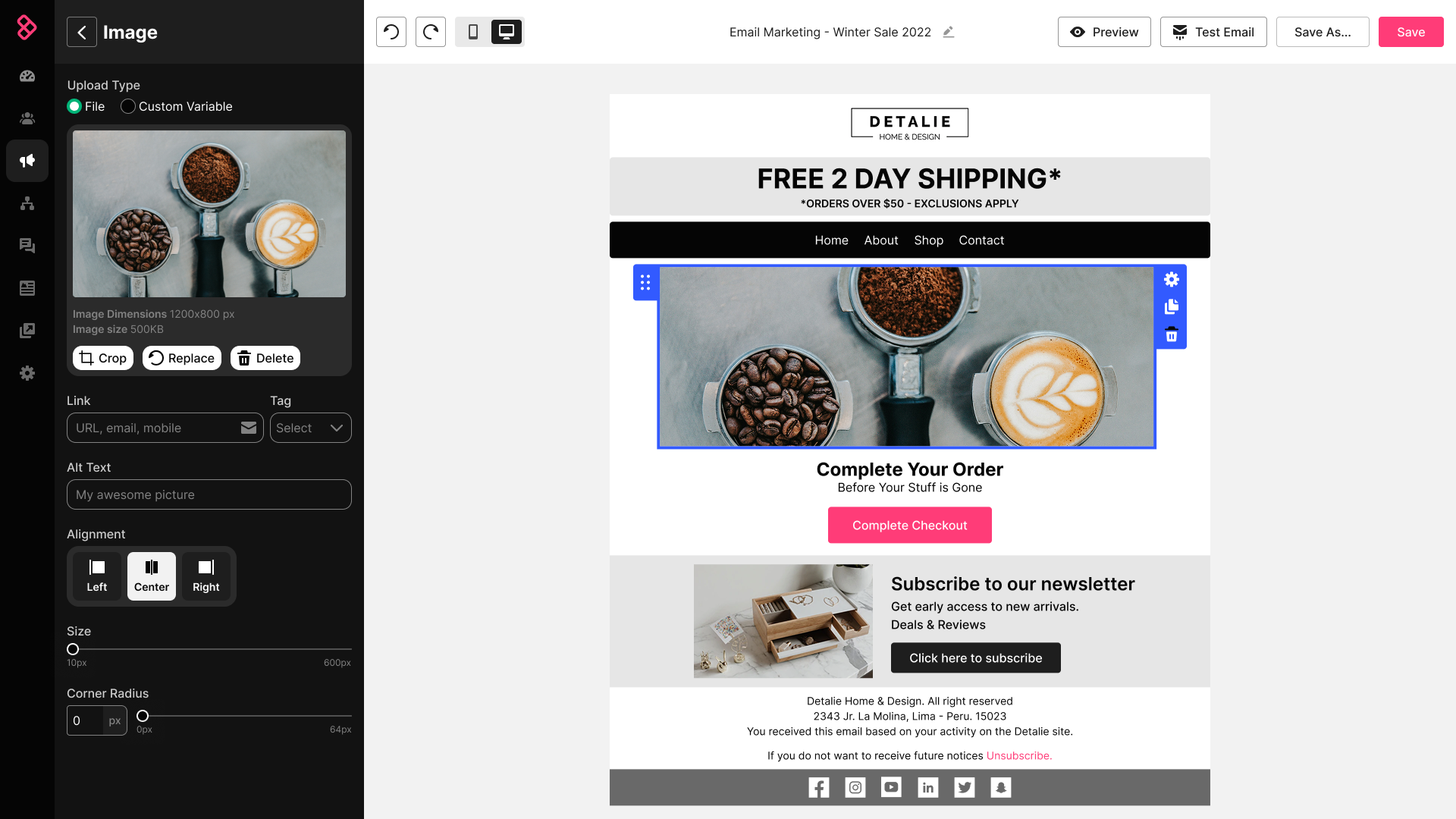
Every Builder Had Different UX.
Email, forms, SMS, campaigns, automations—each had its own patterns. Users relearned the interface constantly.
Created reusable UX flows across all builders. Every tool now feels like it belongs to the same ecosystem.
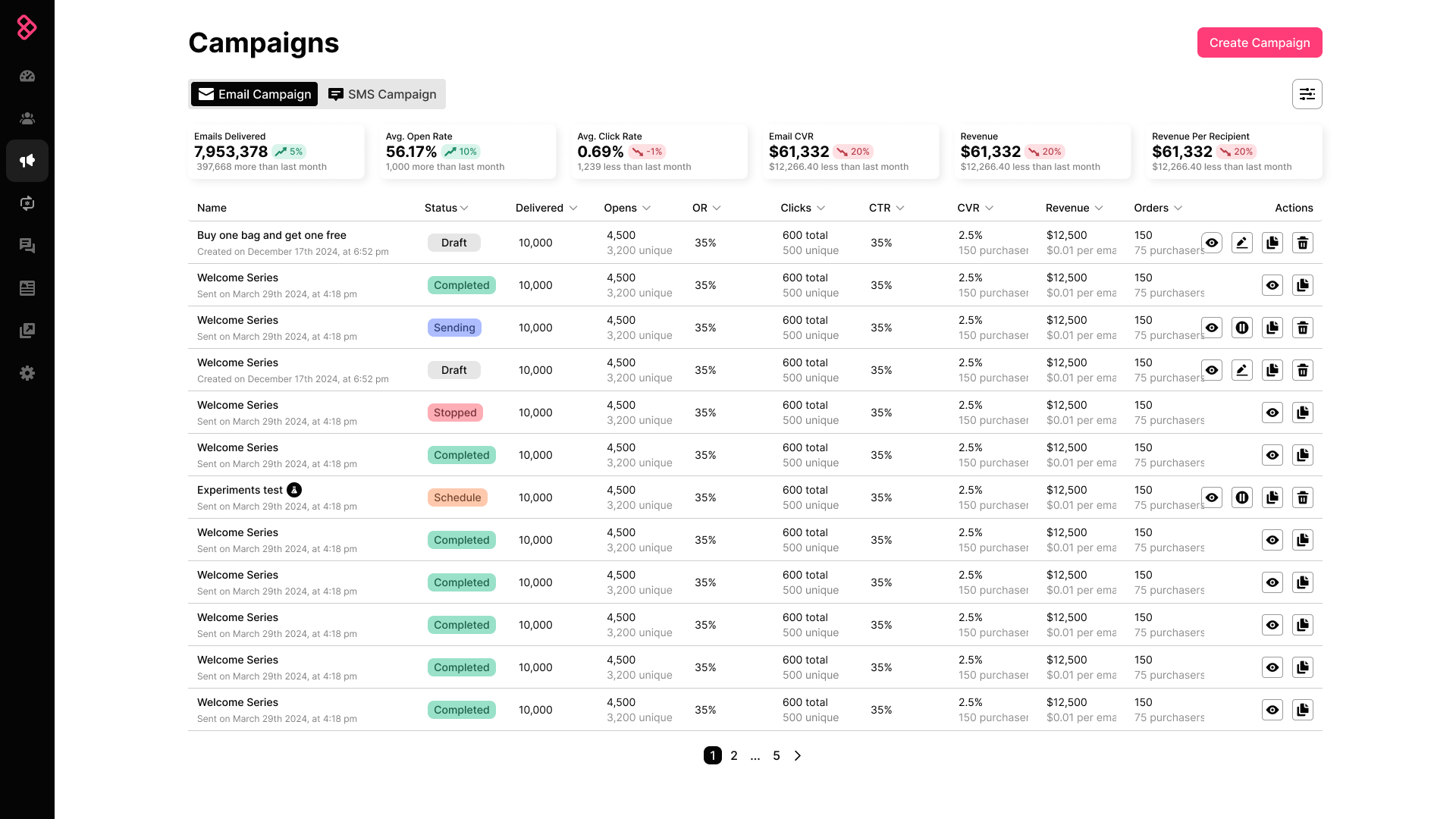
Campaign Builder: Too Many Steps.
Clunky compared to competitors. Way too many steps just to build and send an email.
Redesigned from scratch. Reduced to 1 step—email, audience, settings all in one streamlined flow.
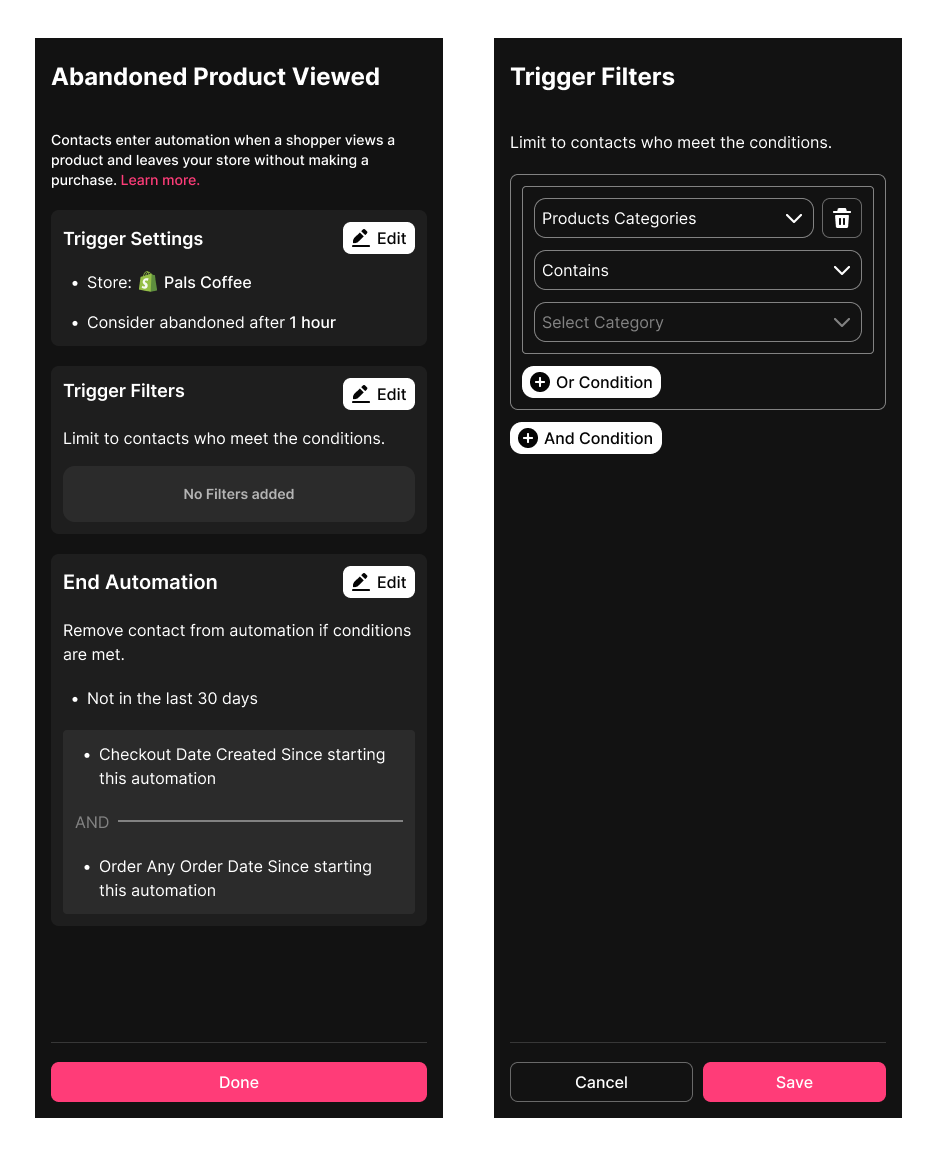
Automations: Users Lost Their Work.
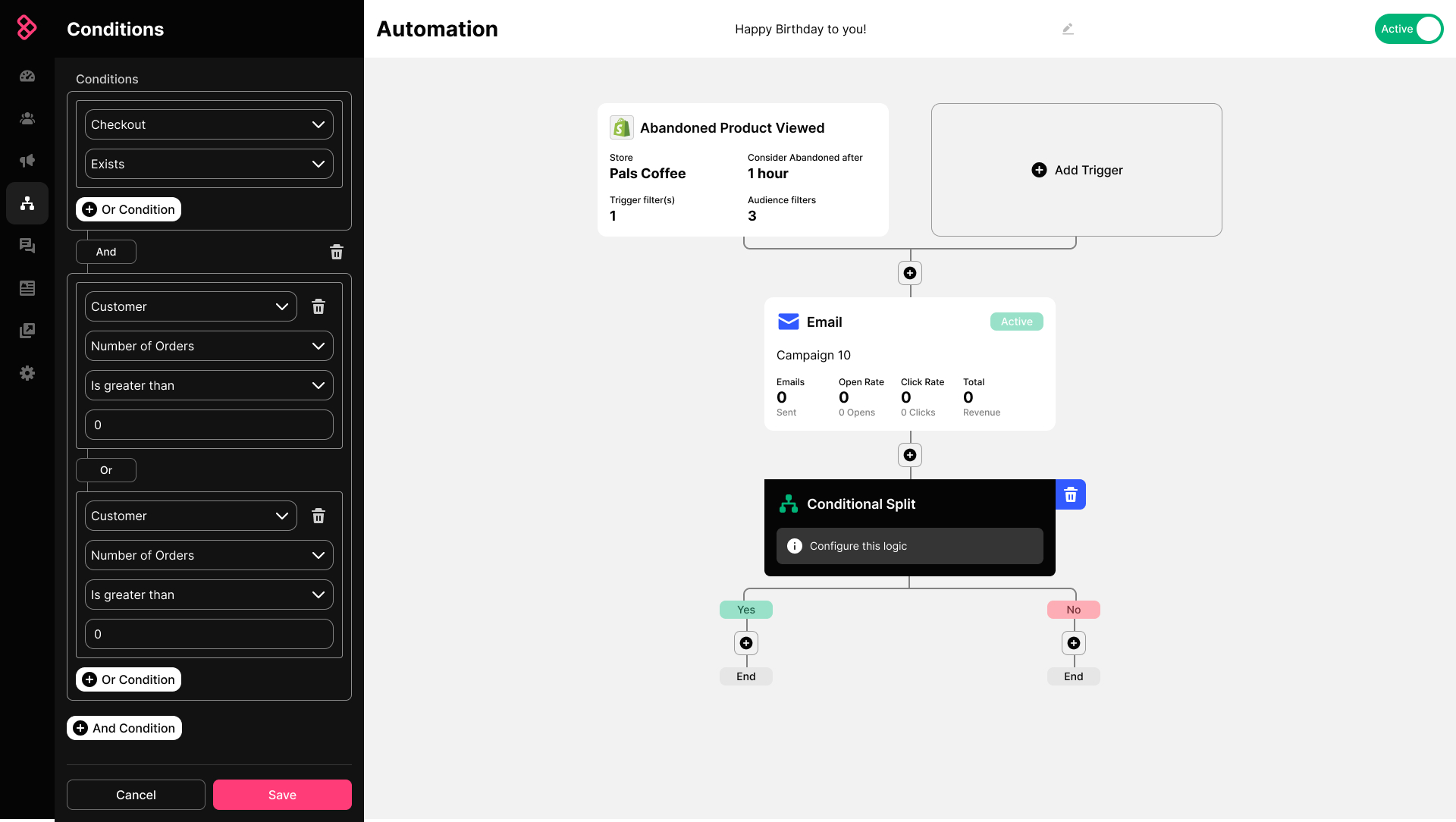
Live editing confused users. They didn't know what was saved, leading to accidental changes and lost work.
Introduced Edit → Save → Cancel flow plus entry/exit conditions on triggers—eliminating workarounds.
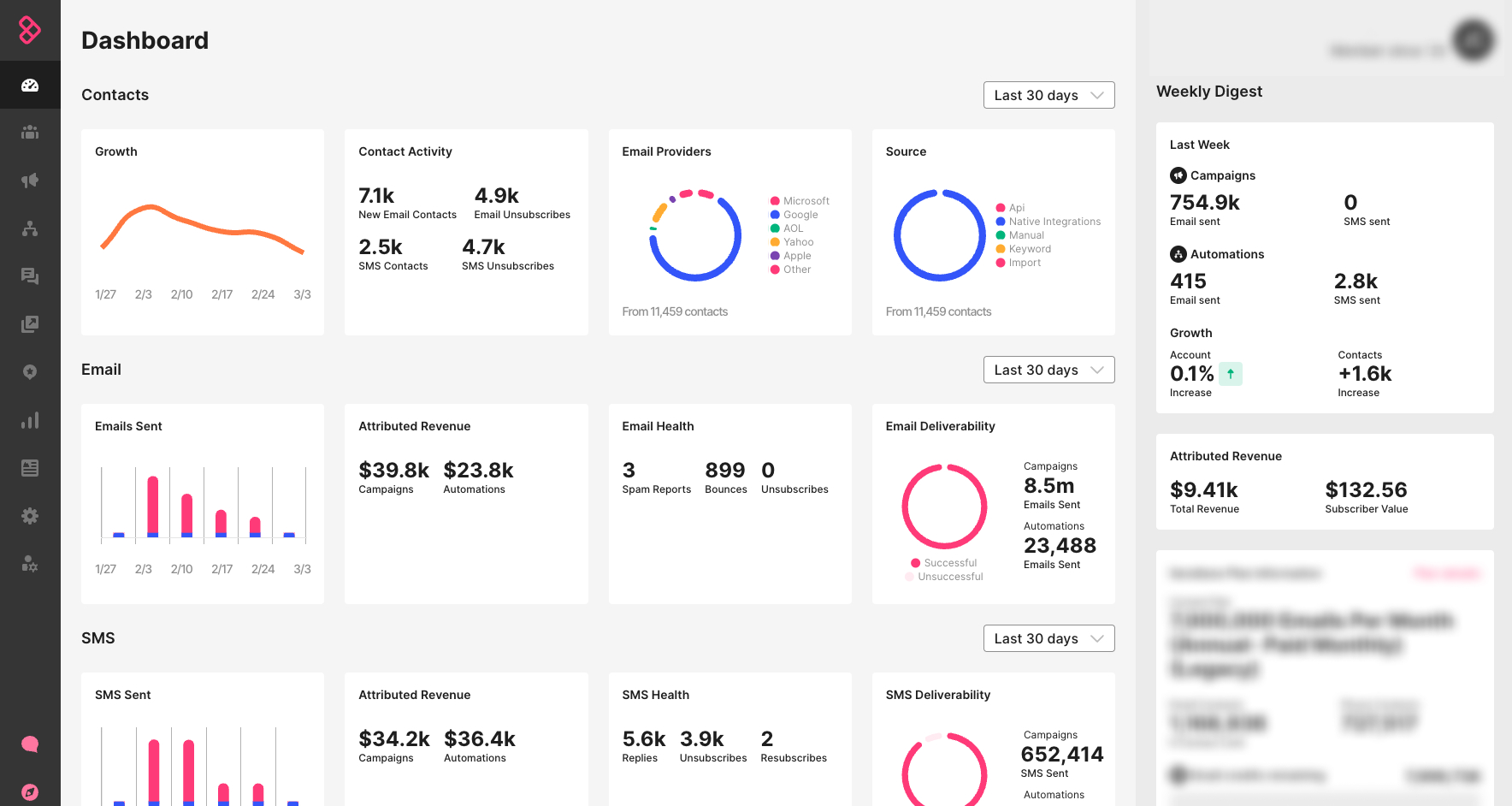
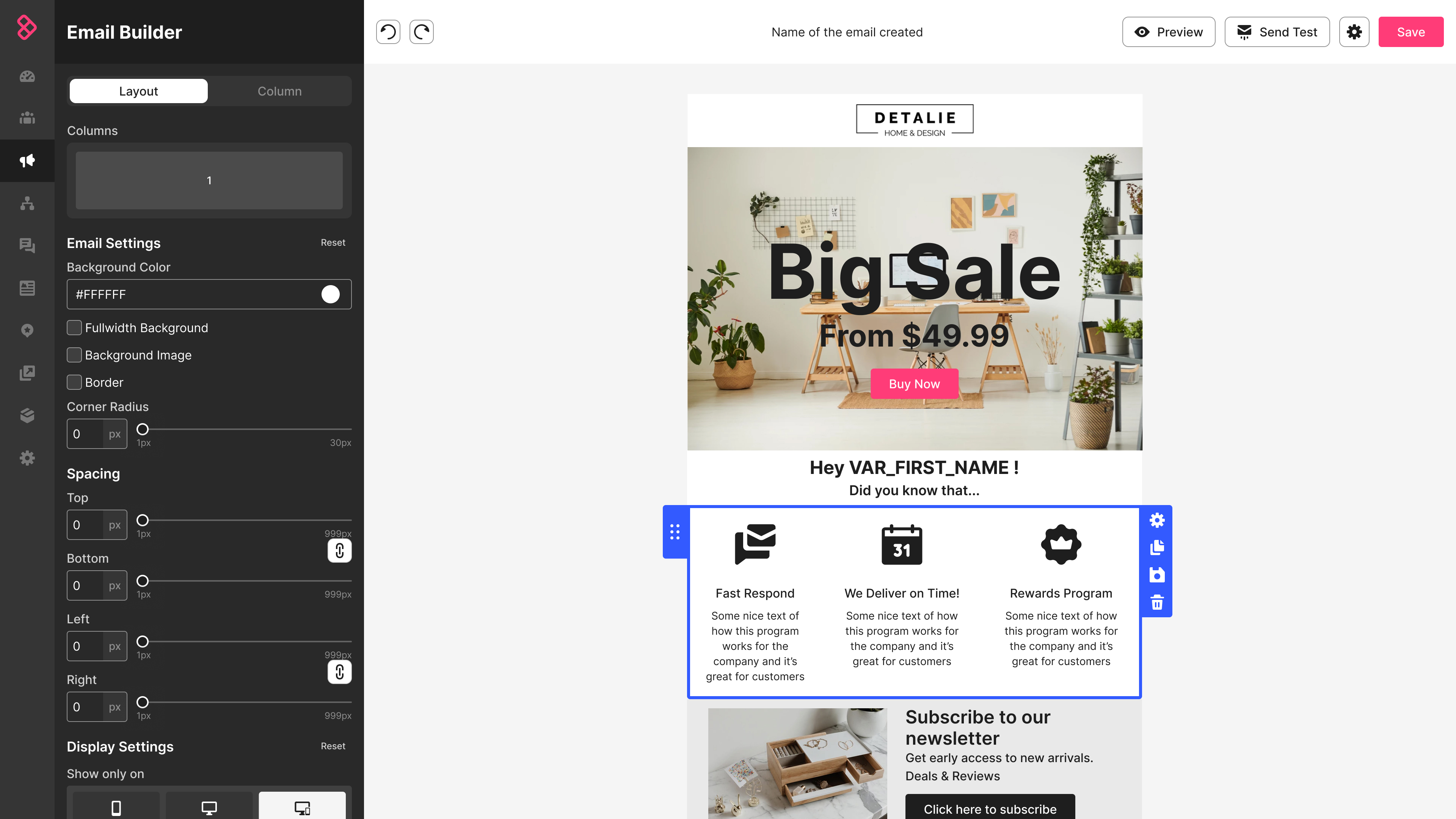
Marketers Overwhelmed by Clicks.
Too many clicks, too many screens for routine tasks. Cognitive overload on daily workflows.
Added quick shortcuts, saved color palettes, image libraries, and contextual tools—making daily work faster.
Other Screens
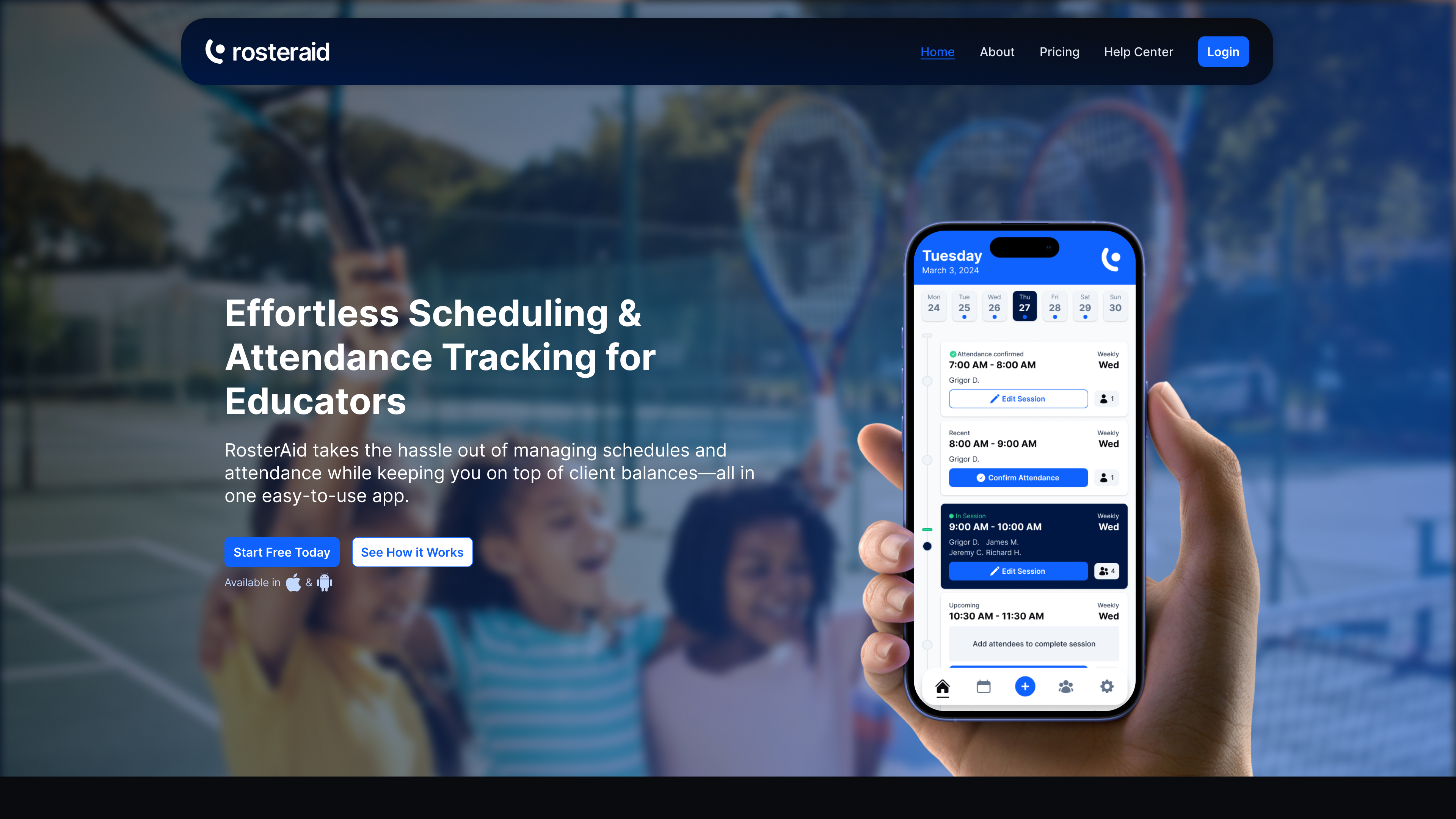
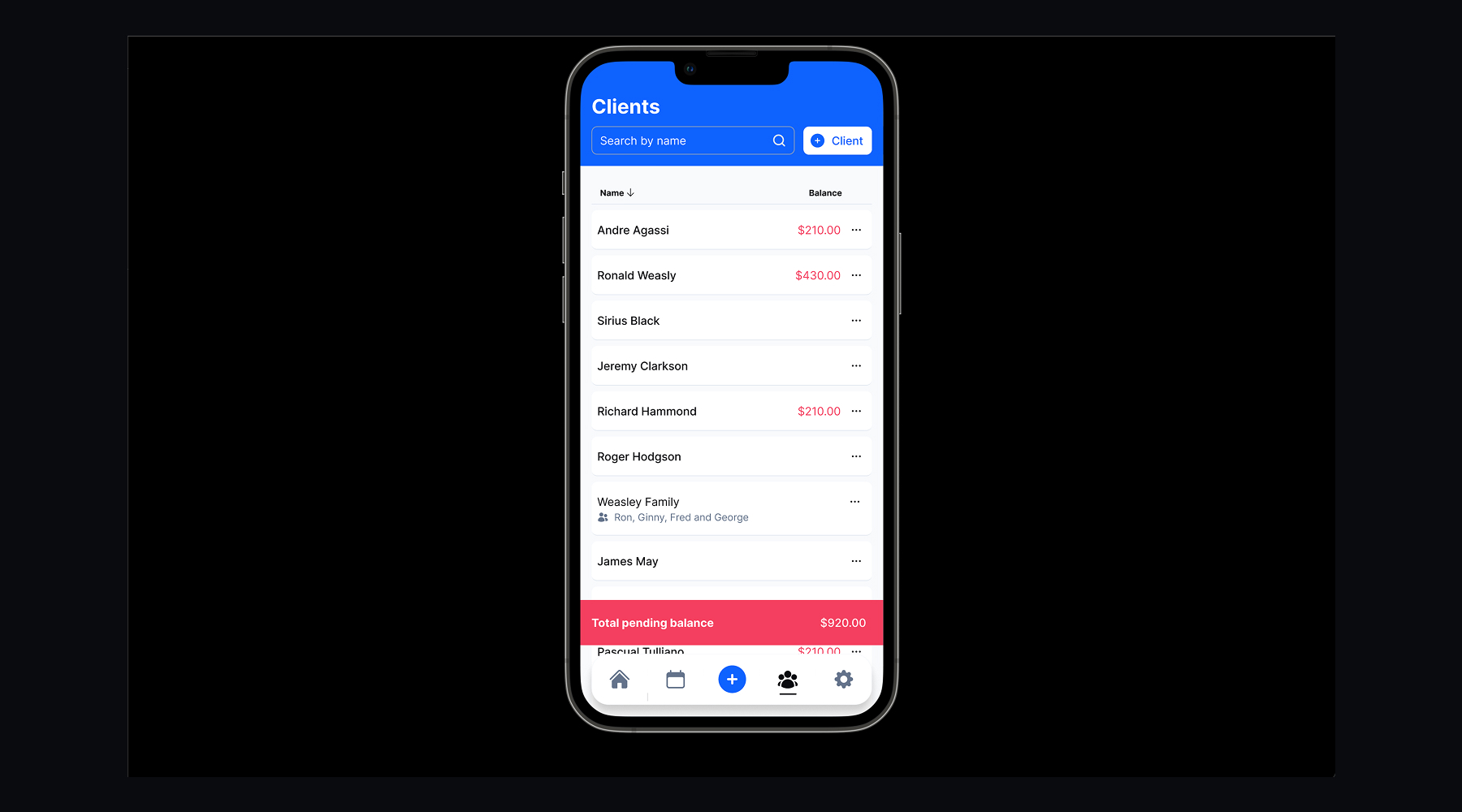
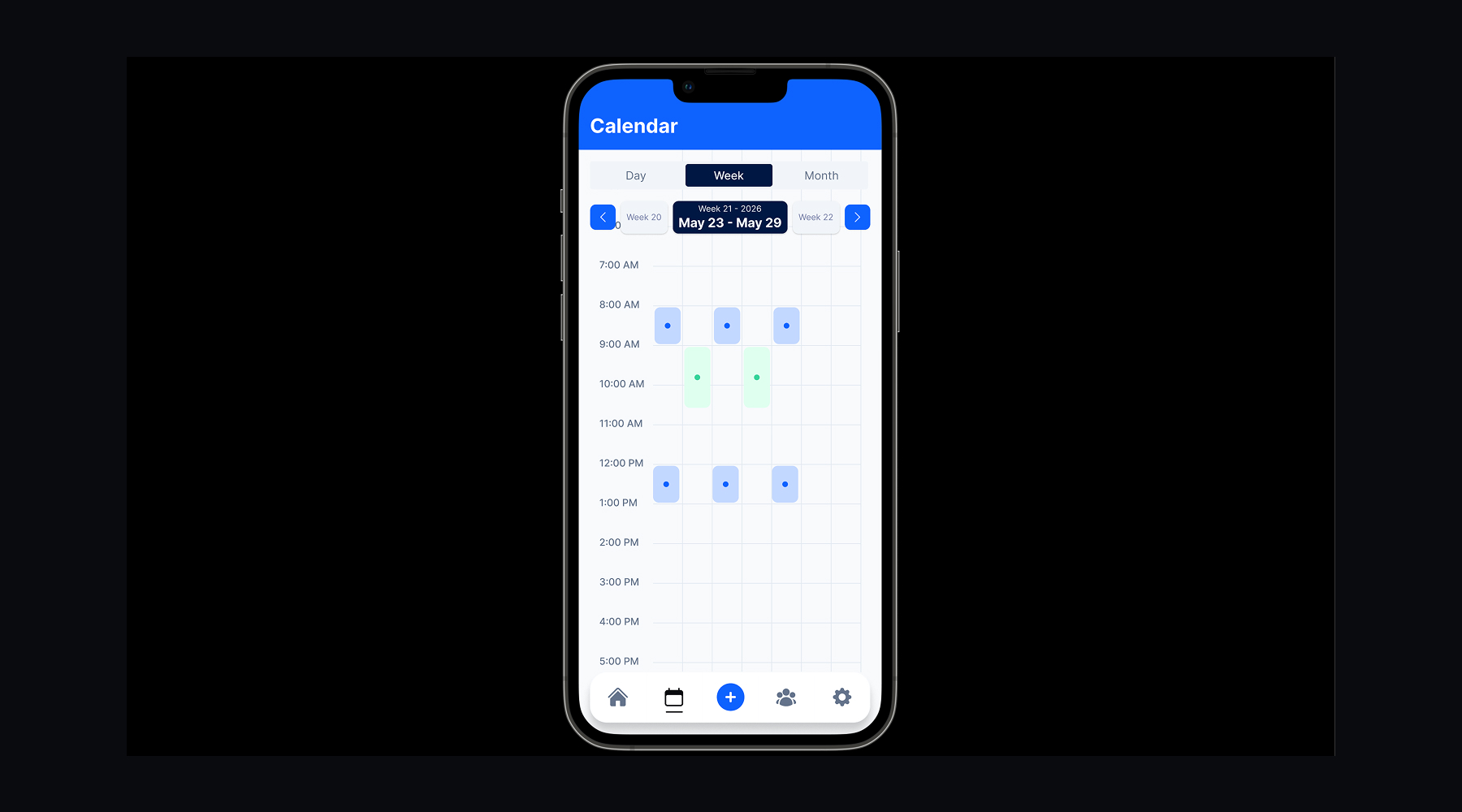
RosterAid is a personal project years in the making, born from real scheduling and balance-management pain points observed in small businesses. It's designed for instructors, coaches, and mentors who juggle classes, payments, and clients.
The next stage of RosterAid will explore AI-assisted scheduling, suggested class structures, and clearer insights into student attendance and balances—so instructors can spend more time teaching and less time on admin work.
Challenges & Goals
- Too many class-based instructors lacked simple tools for scheduling and balance tracking
- No unified place to manage class rosters, track attendance, or handle payments
- Many users were using spreadsheets or chat apps to communicate logistics
Solutions & Outcomes
- Designed and built the entire platform from the ground up
- Created interactive prototypes and tested flows with real users
- Developed a consistent design system across app and marketing site
- RosterAid reduced task time by up to 90%
- Manual tasks that took 20-30 minutes are now completed with a single tap
- Routine actions went from 5 minutes to under 30 seconds, saving hours every week
- Experimented with AI-based ideas such as suggested time slots, auto-summaries for class history, and friendly reminders for overdue balances
From idea to execution — I led the design, prototyping, UX architecture, and front-end efforts. RosterAid continues to grow, providing real value to independent instructors and coaches.
Screenshots


Hunter
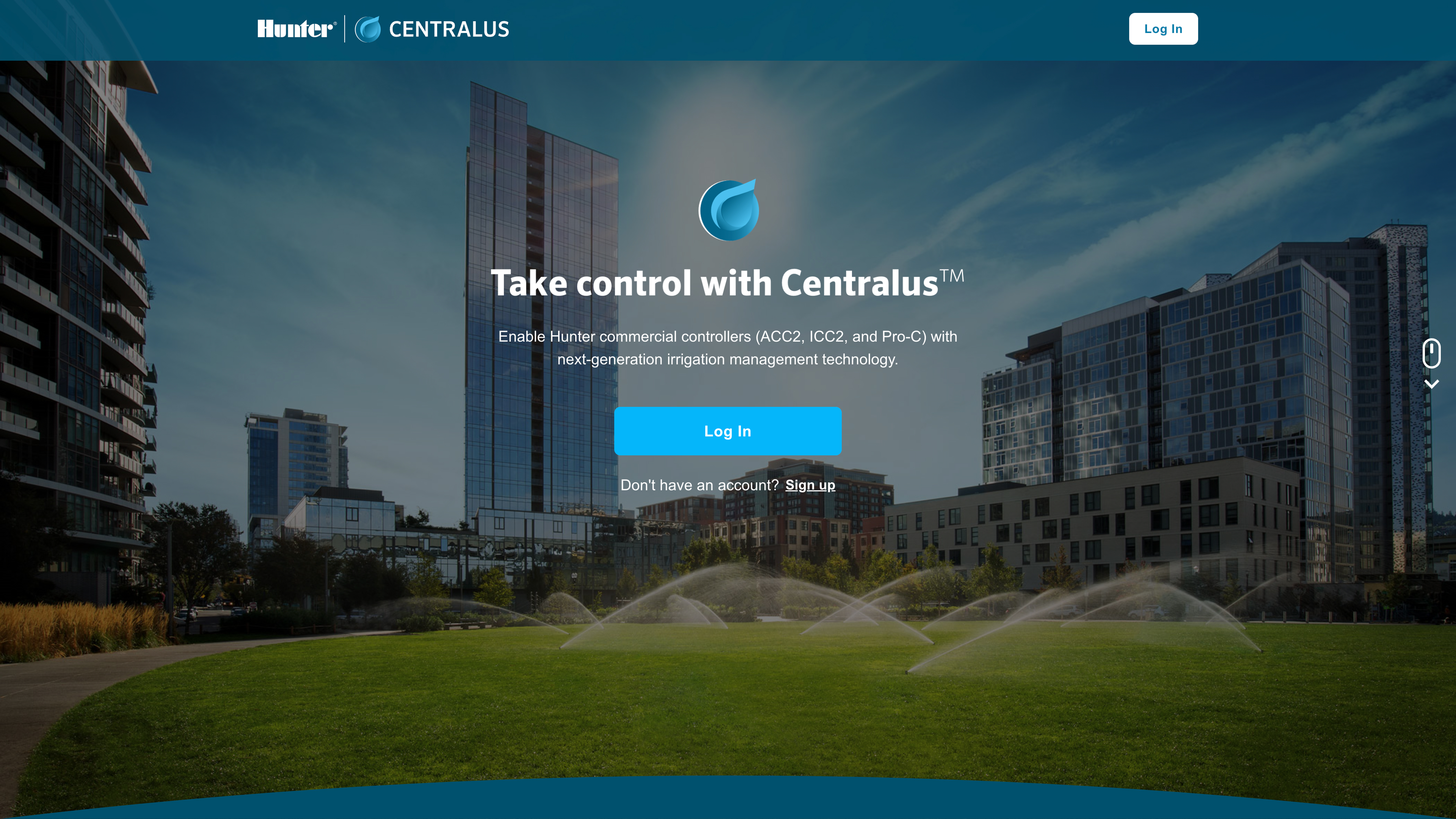
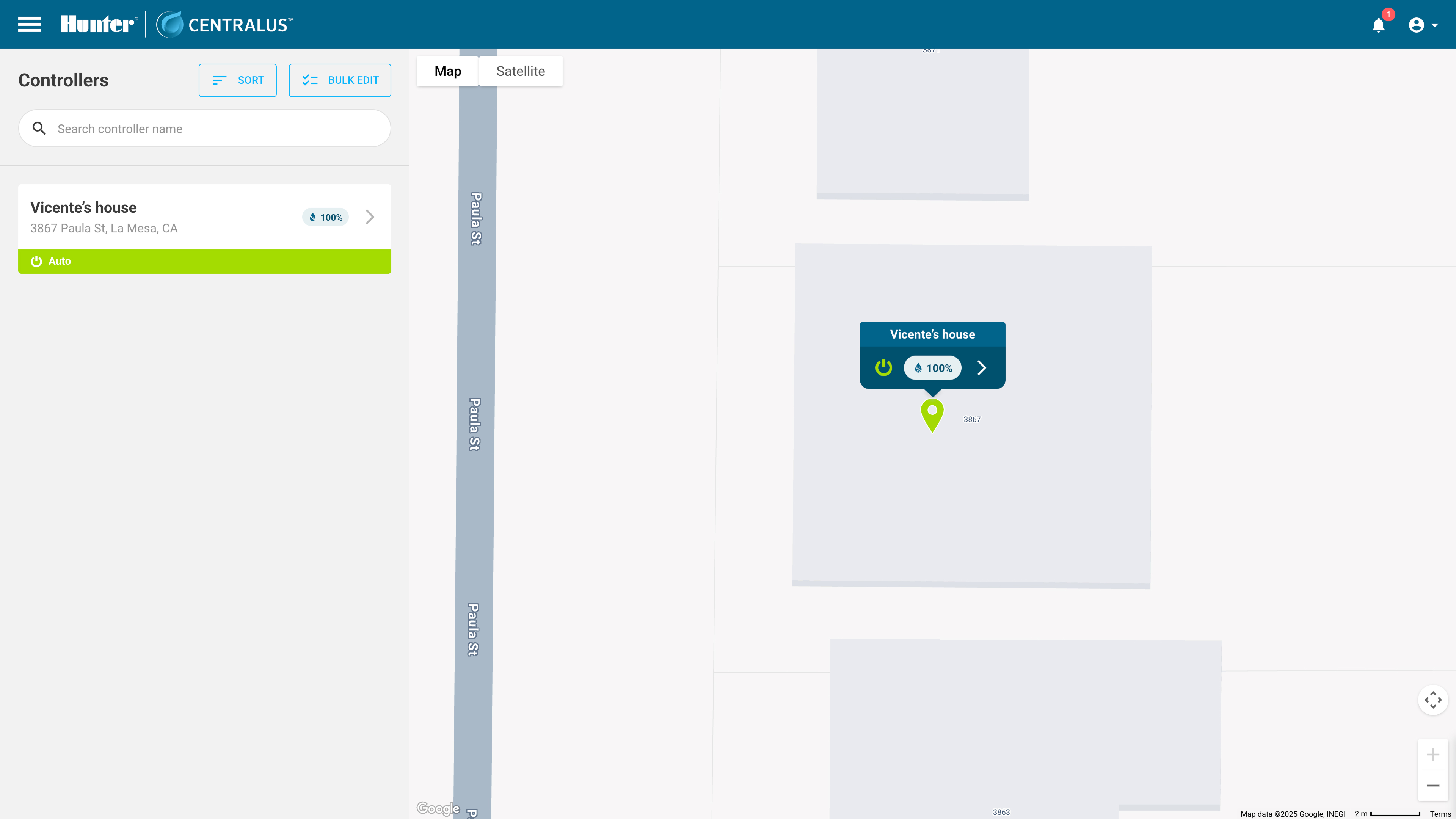
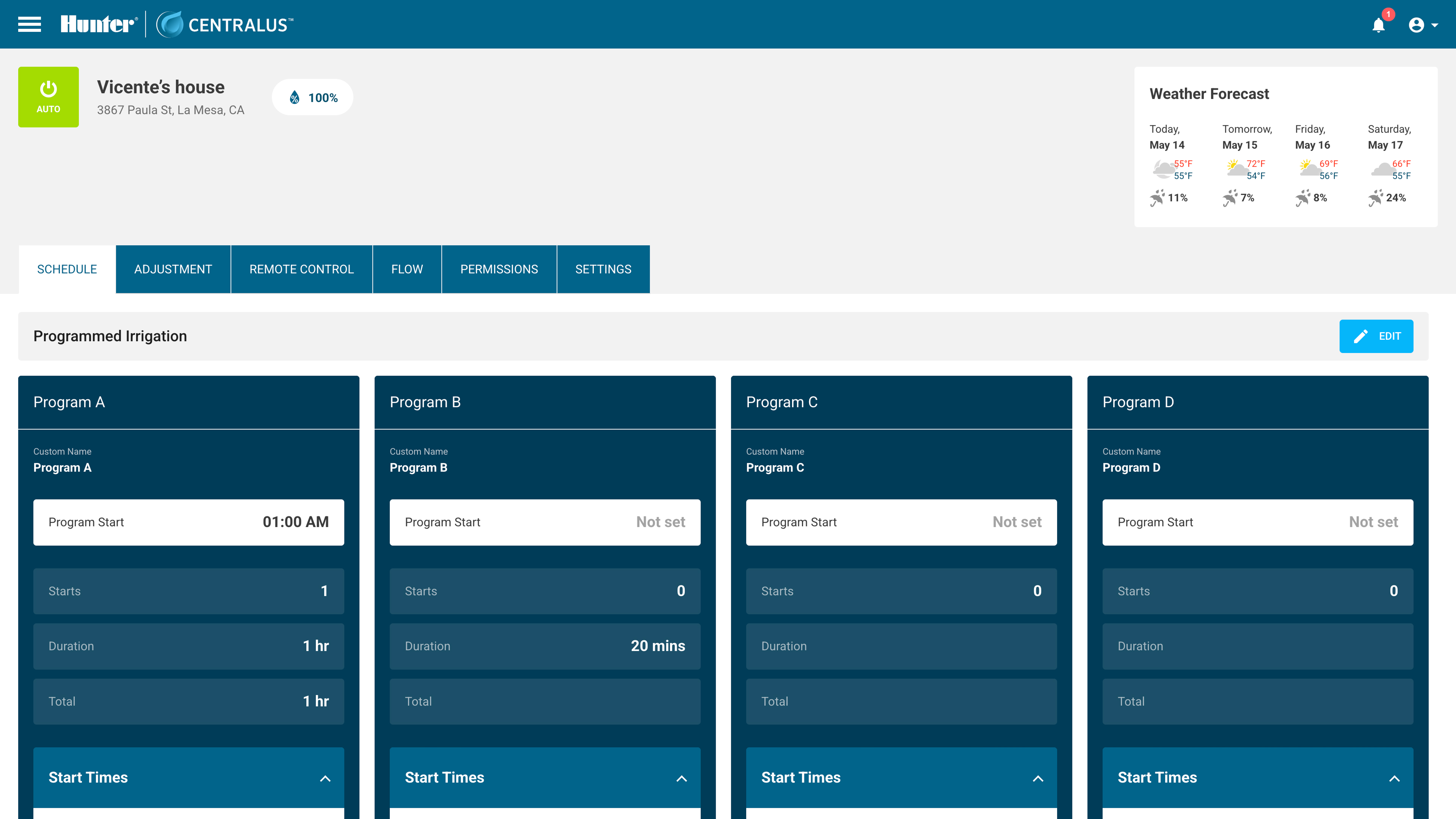
At Hunter Industries, I designed Centralus — a web-based IoT platform built to integrate advanced irrigation hardware. This map-based, responsive app established the foundation for future controllers and scalable irrigation management.
Challenges & Focus
- Designing a scalable architecture for various irrigation controllers
- Creating a unified interface for map-based and hardware-integrated control
- Ensuring full responsiveness across tablet and desktop views
Solutions & Outcomes
- Designed Centralus from scratch with a scalable component system supporting multiple controller types
- Delivered a map-first interface that streamlined setup workflows for commercial irrigation management
- Built a responsive marketing site using modern HTML5, CSS animations, and lightweight vanilla JS
- Platform launched on schedule and formed the foundation for Hunter's entire IoT product line
Screenshots
About
I'm Vicente Tulliano, a design leader based in California. I started my career at Hunter Industries designing IoT platforms for irrigation systems, where I learned that the hardest design problems aren't about making things pretty, they're about making complicated systems feel obvious and intuitive.
That fascination with complexity led me to Sendlane, where as Director of UX/UI, I led the transformation of a marketing automation platform. I discovered that leading design isn't just about crafting beautiful interfaces, it's about building systems, processes, and teams that can tackle increasingly complex problems while keeping users at the center.
I thrive at the intersection of AI, product strategy, and user experience. I believe the best design leadership happens when you stay hands-on while thinking strategically, when you can architect a design system in the morning and debug a prototype in the afternoon. This balance of craft and strategy is what drives me.
Outside of design, I'm constantly exploring how technology and human experience intersect. Whether I'm working on RosterAid (my side project helping instructors manage their classes) or diving into new AI tools, I'm always looking for ways to make complex systems more human.
Outside of work
Car restoration
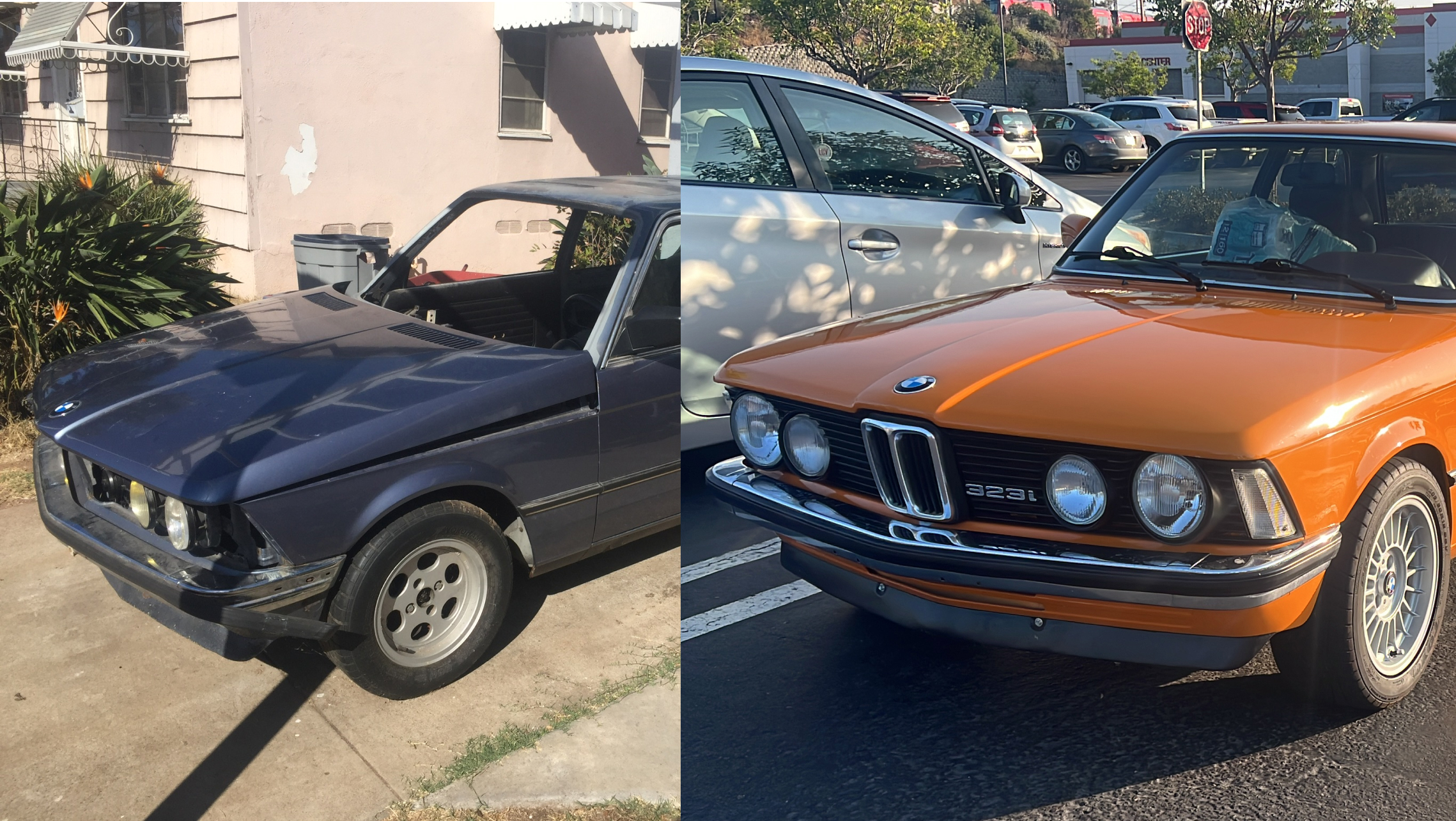
I restore classic cars as a way to disconnect and slow down. It is about understanding existing systems, respecting constraints, and making precise improvements without breaking what already works. The same mindset applies to mature software products.
Only metric tools are allowed in my garage.
Tennis
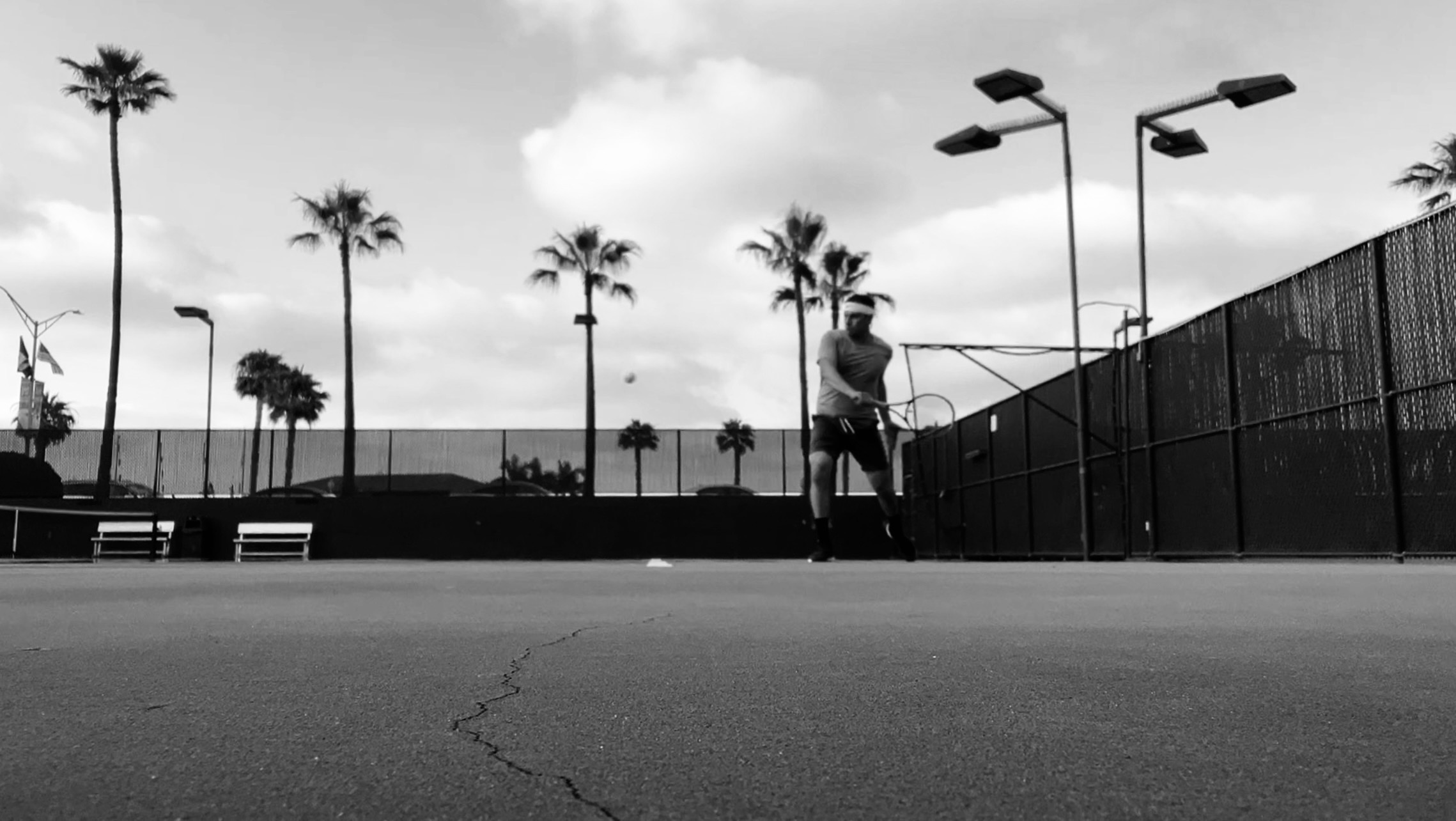
Tennis has shaped how I think about progress. Real improvement comes from repetition, feedback, and refining fundamentals over time rather than chasing shortcuts. Designing products works the same way.
The one handed backhand is not dead and never will be. Also, please do not compare pickleball to this.
Cooking
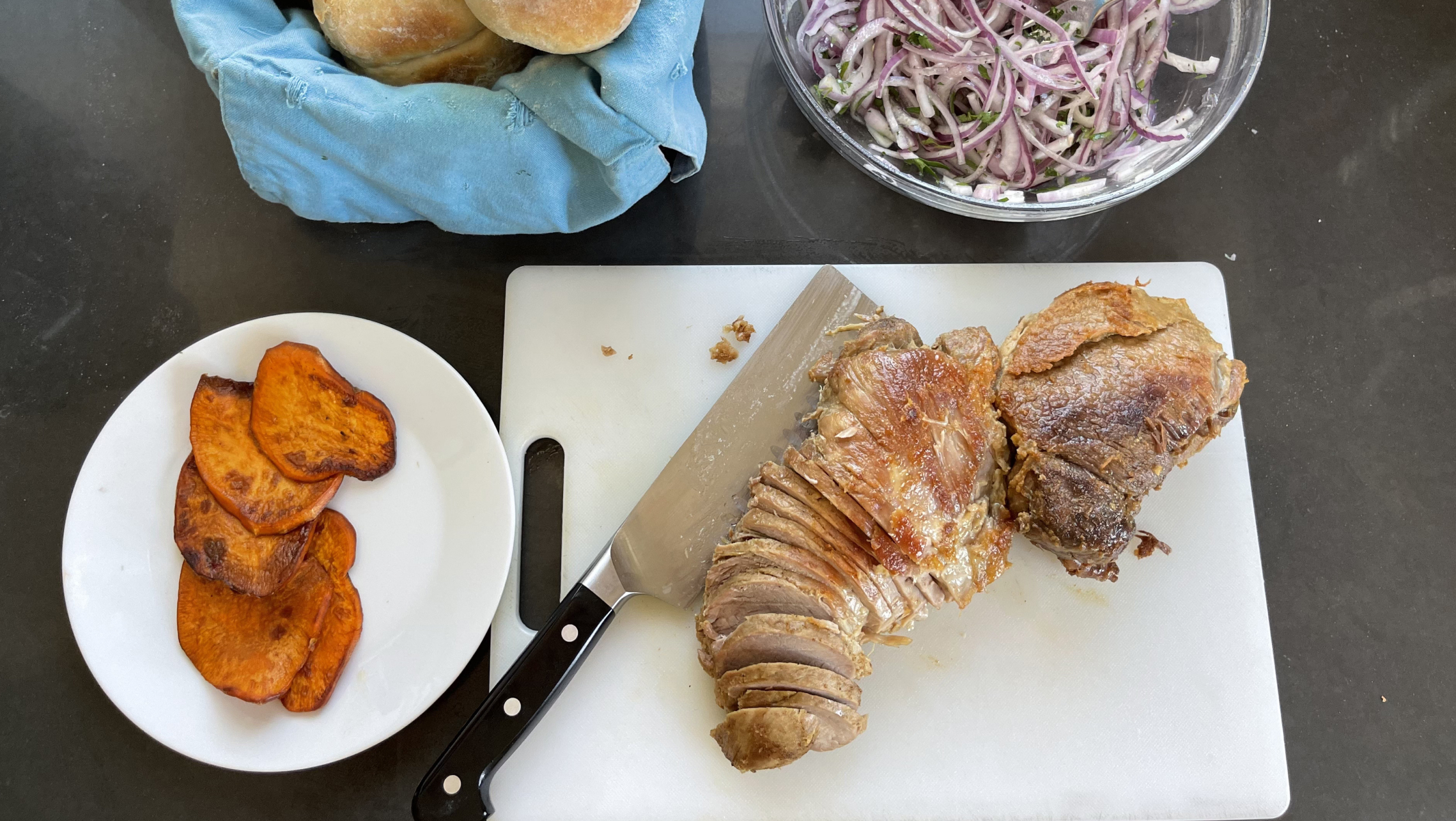
Cooking sharpens my sense of balance and restraint. Knowing when to simplify, when to stop, and when to let ingredients speak for themselves translates directly into how I approach interface design.
Never serve a half cooked tomato and never add cream to carbonara.
What I'm Looking For
I want to work with product-led teams building AI-powered products where design is a strategic advantage, not an afterthought. I'm especially interested in:
- Leading UX for complex workflows and data-rich products
- Shaping AI features that feel trustworthy and useful, not overwhelming
- Building design systems that scale across teams and products
- Mentoring designers in both craft excellence and systems thinking
- Working at the intersection of product, engineering, and AI strategy
Let's Build Something Complex, Simply
I'm looking for product-led teams that see design and AI as strategic advantages—where I can lead UX for complex workflows, shape AI features, and build scalable design systems.
Start a Conversation